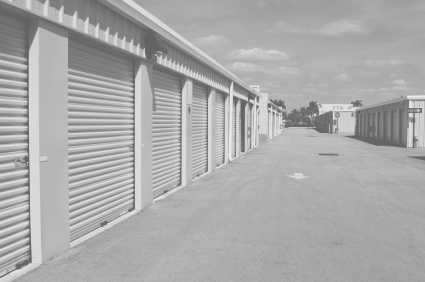
Space for What Matters: The Ultimate Guide to Self-Storage
Article Featured
Self-storage gives homeowners, renters, and small businesses an affordable, flexible way to expand their usable square footage without moving to a larger property. By comparing unit sizes, climate-controlled protection, security features, and contactless access through a dedicated directory like SelfStorages.com, you can store seasonal gear, business inventory, or household items safely while keeping your primary living space organized and clutter-free.
Why Self-Storage Has Become Essential for Modern Living
The way people use their homes has fundamentally changed. With more households balancing remote work, downsizing to smaller floor plans, or navigating transitions between urban apartments and suburban neighborhoods, square footage is at a premium. Searching for self-storage is no longer just about renting an empty locker—it is a practical strategy for managing your home, business, and lifestyle more efficiently.
Instead of paying high residential mortgage or rent premiums just to store items you use a few times a year, renting a dedicated storage unit lets you reclaim your living space without letting go of your valued possessions.
3 Ways Self-Storage Supports an Organized Lifestyle
- Creating a Distraction-Free Home Office: When your home doubles as your primary workplace, a clutter-free room directly impacts daily focus and productivity. Moving seasonal decor, archival files, and extra furniture into a storage unit frees up spare bedrooms or dens for a quiet, dedicated workspace.
- Storing Outdoor and Hobby Equipment: Active lifestyles often come with bulky gear—kayaks, bicycles, camping setups, golf clubs, and seasonal sports equipment. A dedicated storage unit keeps hallways, closets, and garages clear while keeping your gear protected and ready for your next trip.
- Simplifying Moves and Home Renovations: Relocating or remodeling rarely aligns on a single day. A month-to-month storage unit serves as a flexible staging ground during lease gaps, home closings, or room-by-room renovations so you can transition at your own pace.
How to Choose the Right Self-Storage Facility
Not all storage facilities offer the same level of protection or convenience. When comparing local facilities, evaluate these four core features to make sure you get the best long-term value:
| Facility Feature | What to Look For | Why It Matters |
| Security Infrastructure | 24/7 digital video surveillance, perimeter fencing, bright LED lighting, and individualized keypad or mobile gate codes | Protects high-value household goods, tools, and business inventory around the clock |
| Climate Control | Interior units maintained within a consistent temperature and humidity range | Prevents warping, mildew, rust, and heat damage on wood furniture, electronics, documents, and fabrics |
| Contactless Convenience | Online reservations, digital lease signing, automated autopay, and app-based gate/unit access | Saves time by letting you rent, pay, and access your belongings on your schedule |
| Unit Size Variety | Options ranging from compact 5'×5' lockers to large 10'×30' garage-sized units | Ensures you only pay for the exact square footage your items require |
Practical Tips for Maximizing Your Storage Space
How you pack your unit matters just as much as the facility you choose. Follow these proven habits to protect your belongings and keep everything accessible:
- Use Uniform, Clear Plastic Bins: Stacking sturdy, matching containers maximizes vertical height while letting you see what is inside without opening every box.
- Leave a Center Walkway: Always leave a narrow aisle down the middle of your unit so you can reach items stored near the back wall without unloading the entire space.
- Place Frequently Used Items Up Front: Keep seasonal gear, tax records, or rotating business supplies closest to the roll-up door, and place long-term keepsakes toward the rear.
- Elevate Items Off the Concrete: Use wooden pallets or plastic shelving units to promote airflow underneath boxes and furniture.
- Take Advantage of On-Site Perks: Many facilities offer on-site moving supplies, dollies, and complimentary or discounted move-in truck rentals to streamline your move-in day.
Frequently Asked Questions
How do I know what size self-storage unit I need?
A 5'×5' unit holds small boxes, seasonal decor, and closet overflow (similar to a small hall closet). A 10'×10' unit typically fits the contents of a one- to two-bedroom apartment, while a 10'×20' unit accommodates a multi-bedroom household or a standard vehicle. Always list your largest furniture pieces first and use a facility's online size guide before reserving.
When is a climate-controlled storage unit worth the extra cost?
Climate control is worth the investment whenever you store items sensitive to extreme heat, freezing temperatures, or high humidity—including wooden or leather furniture, electronics, musical instruments, artwork, photographs, and paper records.
How long do I have to rent a self-storage unit?
Most self-storage facilities operate on flexible month-to-month rental agreements. This allows you to rent space for a short-term move or renovation, or keep a unit long-term without being locked into a rigid multi-year contract.
Related Content
A Practical Guide to Securing Seller Financing for Self-Storage Investments By Frank RolfeAchieving Substantial Returns in Self-Storage Investments Without Advanced Expertise By Frank Rolfe